
 26 May, 2026
Effective agricultural advisory services are more than passing knowledge from researchers to farmers. Modern extension and advisory services are two-way, participatory, and demand-driven, built on facilitation, co-learning, and advisory networks that place farmers at the center. This information involves transferable skills that help farmers improve crop production, transition to sustainable agricultural practices, support climate-resilient farming, and improve the livelihoods of smallholder farmers. By helping farmers adopt sustainable practices and respond to environmental and economic challenges, these services contribute to more resilient agricultural systems worldwide.
These services are especially important in low- and middle-income countries. In these regions, agriculture is a primary source of income and employment, and improving productivity and resilience can directly impact poverty reduction and food availability.
What do effective agricultural advisory services look like in practice? Agricultural advisory is more than just passing on information. Here’s a list of some of the skills farmers can gain through agricultural advisory, based on CABI’s Skills for Agriculture Framework.
Adult learning and behaviour change in agricultural advisory services
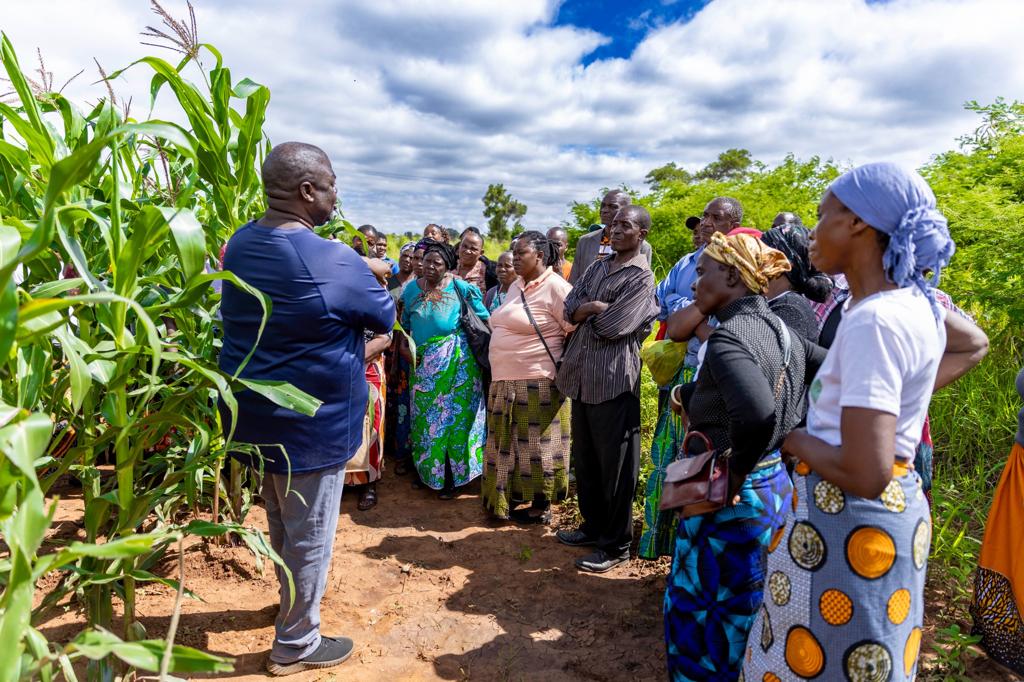
Learning does not stop in childhood; however, adults acquire new skills and knowledge in different ways. Through agricultural advisory, farmers gain new learning experiences and can adopt practices they might not have considered before.
Advisors design agricultural extension services so that farmers can easily absorb and retain new information. This allows them to improve their skills and adopt new practices. This is possible through a careful and thorough understanding of how adults learn. Approaches such as experiential learning, peer-to-peer exchange, and farmer field schools are particularly effective. They create space for farmers to learn from doing and from each other, not just from advisors.
The benefits of learning as an adult include increased self-esteem and confidence, keeping an active mind, and the ability to apply skills to career advancement. These learning approaches also encourage long-term behaviour change, helping farmers become more confident in experimenting with sustainable practices and adapting to new agricultural challenges. Over time, this can improve both farm productivity and resilience to climate and market pressures.
Some examples of well-designed agricultural advisory services are the PlantwisePlus plant clinics. Through their partners, PlantwisePlus helps run multiple plant clinics in places such as Assam (India) and Costa Rica. Smallholder farmers can bring their plants and crops for diagnosis of plant health issues. These plant clinics also promote sustainable agricultural practices. Initiatives such as these give farmers practical, hands-on learning about their crops.
Community mobilization through extension and advisory services
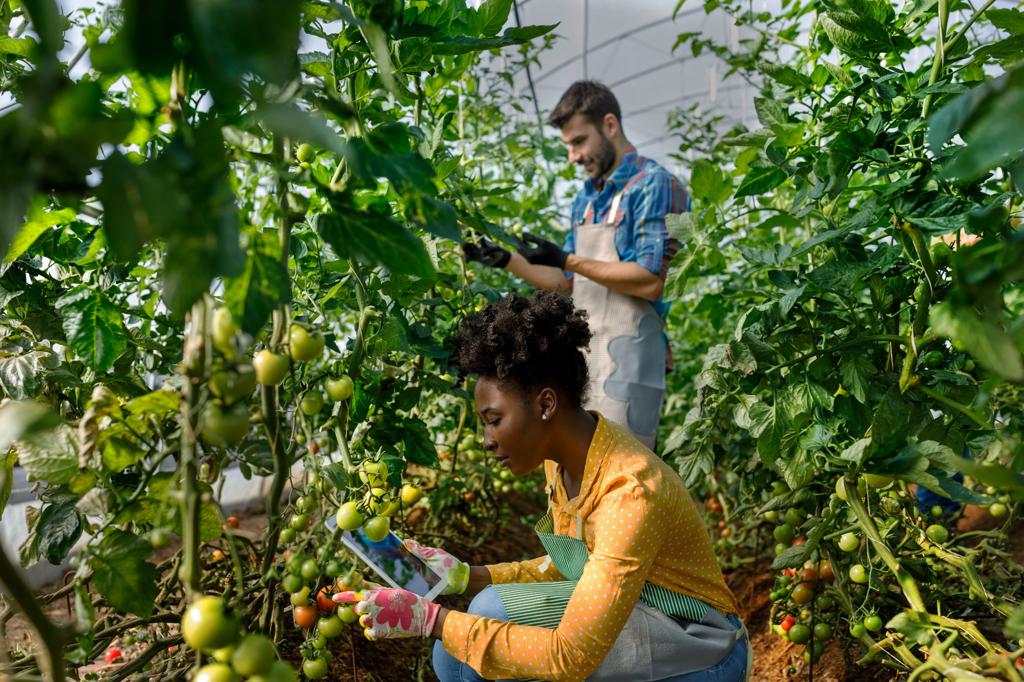
Agricultural advisory also brings communities together. Effective extension does not just target the individual farmers. Instead, allow entire communities to mobilize. Groups can unite around shared causes or purposes, such as finding ways to combat specific pests or enacting widespread agricultural programs. Farmers can also work with partners to move towards a common goal. Moreover, farmer organizations and cooperatives often formalize this action. This gives smallholder farmers a stronger, more sustained voice in markets, in policy, and in their own communities.
Resources can be shared amongst farmers, making work-related tasks more manageable and, in some cases, more cost-efficient. This means that agricultural advisory is particularly great for farmers living in the same areas. Plant clinics are effective for mobilizations because they are organized in community locations, such as markets. Strong community networks can also improve farmers’ access to shared knowledge, financial opportunities, and local support systems, especially for women farmers. Collective action often helps communities respond more effectively to agricultural challenges such as pest outbreaks, water shortages, or changing weather patterns.
A practical example of this is in Pakistan. There, smallholder farmers growing the same crops, such as strawberries, tomatoes, or other vegetables, combine their harvests and hire a single vehicle to transport produce to market. By pooling their harvests and sharing transport costs, they increase their bargaining power, reduce overheads, and earn higher profits. This simple act of coordination illustrates how community mobilization and value chain thinking work, hand in hand, to improve farmer livelihoods.
Value chain thinking in agricultural advisory services
Some farmers may focus on only one aspect of farming, such as the physical act of planting and harvesting crops. However, through agricultural advisory, farmers can become knowledgeable about the entire value chain. These farmers have the opportunity to be fully involved in every stage. The information and skills shared through agricultural advisory are comprehensive and panoramic, not just focused on one thing.
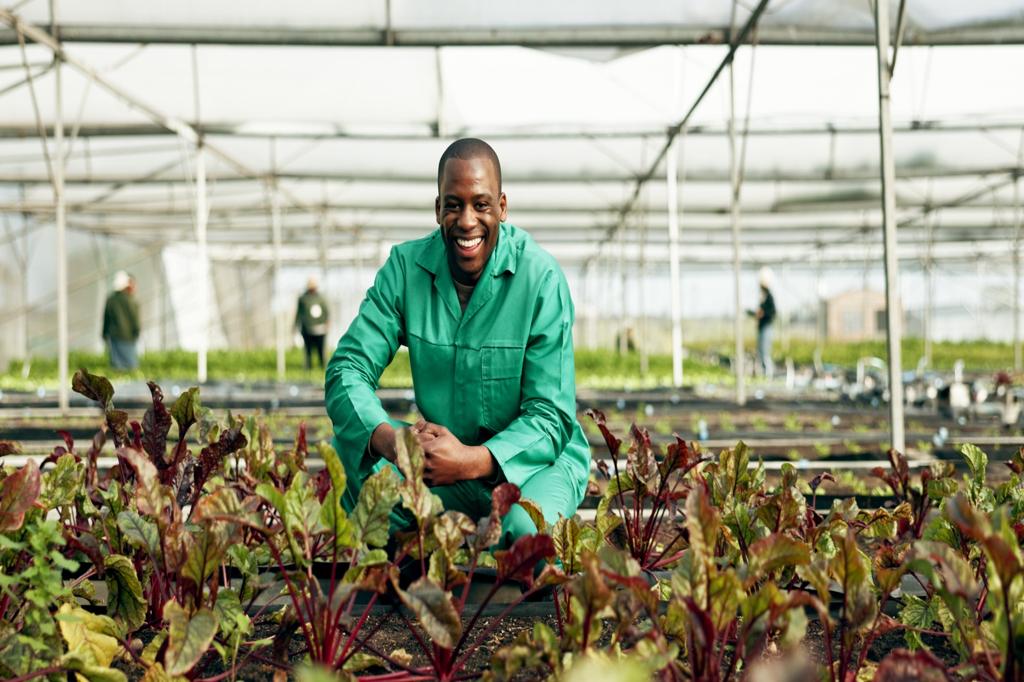
Good agricultural advisory services help farmers make informed technical and business decisions, including managing efficient transactions with sellers. A strong market orientation is central to this. Farmers who understand pricing, buyer expectations, and post-harvest handling are better positioned to increase their income and reduce losses. This skill also allows the farmers to analyse and improve the quality of the services they provide. Capacity building across all areas of the value chain can feel empowering, as farmers can see the full picture of their work and take control of their livelihoods.
Understanding the full value chain can also help both men and women farmers increase their incomes. Specifically, it enables them to identify market opportunities better and reduce post-harvest losses. This broader perspective enables farmers to make more informed business decisions and build stronger connections with buyers and suppliers.
Plant clinics, such as those in Malawi, have provided a valuable avenue for farmers to adopt more sustainable practices. Farmers are now better equipped to deal with other levels of the value chain, such as identifying pests and crop diseases.
Youth and gender inclusion in extension and advisory services
Young people can face societal and structural hardships in agriculture. For example, some face unemployment (a lack of available jobs) and underemployment (a lack of jobs that match one’s skills or education level). Women also struggle with specific issues, such as unpaid care work, which leads them to spend less time on farming.
Good agricultural advisory services are inclusive. In other words, they take into account the difficulties youth and women face. When everyone is given equal opportunities and enabled to be their best selves, productivity goes up. More people get work, and they feel empowered and supported in their tasks. Inclusive agricultural advisory services can strengthen rural economies. Specifically, they ensure that women and young people actively participate in agricultural decision-making and innovation. Supporting these groups also helps create more diverse, skilled, and sustainable farming communities for the future.
Organizations like CABI emphasize the inclusion of youth and women in their programmes. These are designed to give these groups learning opportunities and meaningful experiences in agriculture. One example is the Bangladesh Gender Technical Working Group established by CABI. The group ensures gender inclusivity in rural advisory services and promotes women’s representation across all levels. Some of their initiatives included training on gender dynamics in agriculture for extension services staff, underpinned by the CABI Academy course and sessions on digital skills and agribusiness specifically for women.
Digital advisory and decision-support tools
Agricultural advisory can be delivered through various methods. In today’s digital world, it is important to keep up. In certain remote areas, it can be difficult to provide immediate physical support or information. Therefore, digital advisory and decision-support tools put the power of knowledge in farmers’ hands, allowing them to access expert advice without leaving their farms. This can make seeking assistance for agricultural problems, such as pest control, much less time-consuming.
That said, digital tools work best as part of a blended approach. For example, combining face-to-face advisory, farmer group sessions, and community outreach. In low-connectivity contexts, over-reliance on digital-only solutions can exclude the farmers who need support most. The most effective extension and advisory services integrate digital tools into broader, human-centered delivery models.
CABI has numerous tried-and-tested digital tools that support farmers in different ways:
- The CABI BioProtection Portal — a free resource for finding natural pest management solutions
- The PlantwisePlus Knowledge Bank — extensive materials on crop health and pest management
- PlantwisePlus Factsheet app — a mobile app for learning about crops and crop problems
- The Crop Sprayer app — helping farmers with plant protection product calculations
What effective agricultural advisory services can achieve
Agricultural advisory services offer farmers far more than technical guidance. These initiatives can also impart greater skills such as communication, behaviour change, community mobilization, the use of digital tools, and gender inclusion. By combining technical knowledge with social, digital, and business skills, agricultural advisory services help farmers become more adaptable and self-reliant. This holistic approach supports not only agricultural productivity but also long-term rural development and sustainability.
CABI’s Skills for Agriculture Framework is a great resource for exploring what effective agricultural advisory services look like, how they are tailored to support farmers, and the activities under each skill.
Share this post


Skills in this blog
Related Stories
 Crops
Crops  Extension...
  Training
  Behaviours
  Relationships...
 Feedback