
 8 September, 2026
From identifying pests to managing biosecurity programmes, the skills plant biosecurity professionals need will evolve throughout their careers.
Whether you’re starting a career in plant health, taking on a new role or are an experienced professional looking to move into leadership, understanding the skills needed at each stage, can help you make informed decisions about your professional development. This could include graduates in natural science or agricultural science, newly recruited plant protection officers, plant health inspectors, and laboratory technicians. But how do you know which skills to develop next? And where can you find the learning opportunities to help you develop them?
Why professional development matters in plant biosecurity
Plant biosecurity plays a critical role in protecting agricultural production, accessing new international markets, ensuring safe trade, food security, and environmental protection. However, the responsibilities of people working in plant biosecurity systems are changing rapidly as new pests emerge, trade pathways expand, and regulations evolve.
These factors have led to an increased global need for plant biosecurity expertise. However, plant biosecurity is not always consistently embedded within natural and agricultural education science curricula and professional development programmes. Whilst some educational providers cover plant biosecurity at a high level, there can be a limited focus on some of the more practical skills needed in todays’ plant biosecurity workplaces.
In some countries and regions, there can be a shortage of plant biosecurity training provision, creating a gap between the skills that potential employment needs and the opportunities available for professionals and aspiring professionals to develop them. This makes it more important than ever for proactive approaches to be taken to build plant biosecurity knowledge and skills.
Research conducted to support the development of new plant biosecurity skills found that professionals need continuous opportunities to build and update their knowledge. It also highlighted that skills gaps often arise when training opportunities, employment needs, and educational programmes are not well aligned.
For many professionals, the challenge is not a lack of willingness to learn. The challenge is knowing:
- Which skills are most important for their role
- Which skills will help them progress in their career
- What learning opportunities are available
- How to prioritize their professional development
So, what skills are important at different stages of a career in plant biosecurity?
From student to specialist: skills for every career stage
A key finding from the Plant biosecurity Skills project supported by the Australian Centre for International Agricultural Research (ACIAR) was that learners have different needs depending on where they are in their career journey. To explore biosecurity skill needs, a range of learner personas were developed, including university students, fresh graduates, newly recruited inspectors, laboratory specialists and mid-career managers in plant biosecurity relevant careers.
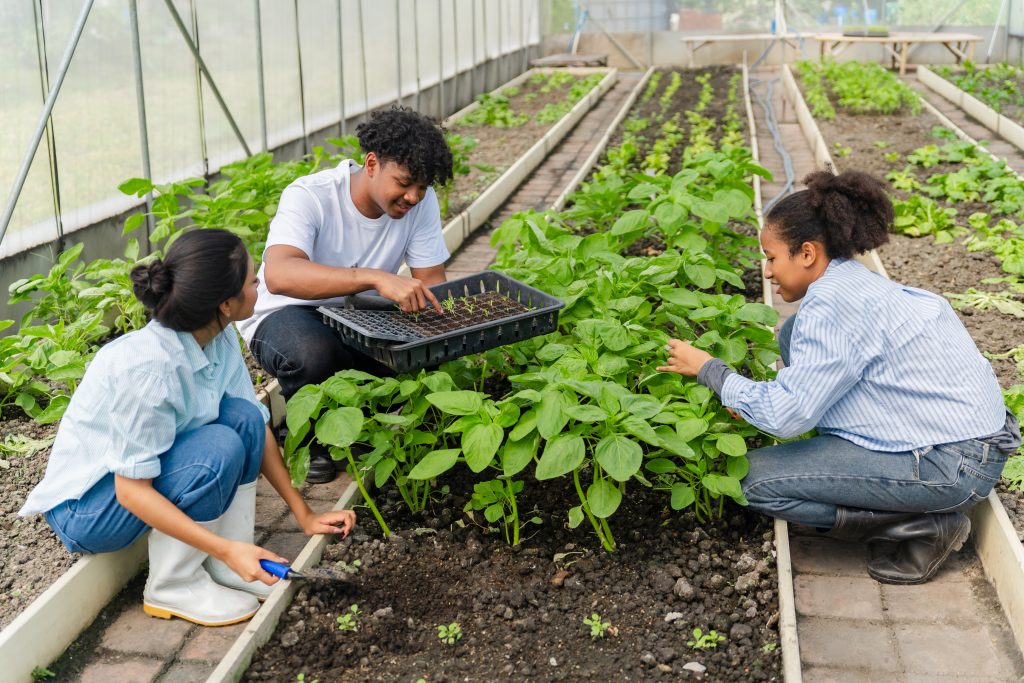
If you’re a university student in natural and agricultural sciences
Plant biosecurity is covered to varying degrees in university-level agriculture courses. The research found that students and aspiring professionals wanted to build skills such as:
- Identifying plant health symptoms
- Understanding plant biosecurity risks
- Learning export requirements
- Data and plant biosecurity information management
- Understanding plant health regulations and market access requirements
Developing these skills can help students bridge the gap between academic study and workplace requirements and better understand the capabilities employers may be looking for.
If you’re early in your career in a plant biosecurity related field
New inspectors and plant health officers often experience a steep learning curve when they begin their careers. The study found that early-career professionals need support in areas such as:
- Pest risk analysis
- Pest surveillance
- Plant biosecurity risk management
- Interpretation and implementation of plant health regulations and policies
- Plant health stakeholder engagement
- Communication and reporting on Plant Health biosecurity occurrences, for example, pest outbreaks
At this stage, understanding existing capabilities and identifying areas for further development can help professionals prioritize their learning as their responsibilities grow.
If you’re an experienced professional
Mid-career professionals face different challenges. Their focus may shift towards leadership, risk management, policy implementation, communication, and project management.
Professional development at this stage may therefore involve continuing to build specialist expertise alongside stronger management, leadership and strategic capabilities.
What skills are important in plant biosecurity?
As part of the Plant Biosecurity Skills project, ten plant biosecurity skills were created and validated, covering capabilities needed across a wide range of roles.
These include:
- Pest and Disease Identification: The ability to recognize and differentiate plant health symptoms, pest infestations, and disease manifestations to inform appropriate biosecurity measures.
- Conduct Horizon Scanning for Emerging Pest Threats: Systematically monitor, identify, and prioritize emerging pest threats relevant to plant health and trade.
- Pest Risk Analysis: The ability to conduct pest risk analysis (PRA) in accordance with international standards, including evaluating evidence, characterizing pest risks, and recommending appropriate phytosanitary measures to reduce those risks.
- Interpretation and Implementation of International Standards for Phytosanitary Measures (ISPMs): The ability to understand, interpret and apply ISPMs within national contexts to ensure consistency, transparency, and compliance in phytosanitary systems.
- Develop and Implement Contingency and Biosecurity Response Plans: Design, coordinate, and review plans that prepare for and respond to pest incursions or biosecurity threats.
- Conduct Pest Surveillance: The capacity to design and implement both general and specific pest surveillance systems in alignment with ISPM 6, ensuring reliable collection, verification, interpretation, and reporting of pest occurrence and absence data.
- Collaborate with Stakeholders in Plant Biosecurity: Build effective relationships with stakeholders to support coordination and communication of plant health actions.
- Data and Plant Biosecurity Information Management: The ability to accurately document, organise, and maintain clear records related to biosecurity activities, in formats appropriate to operational, regulatory, or decision-making contexts.
- Lead and Manage Plant Biosecurity Projects and Teams: Develop and oversee biosecurity-related projects, coordinate teams, manage resources and ensure outputs.
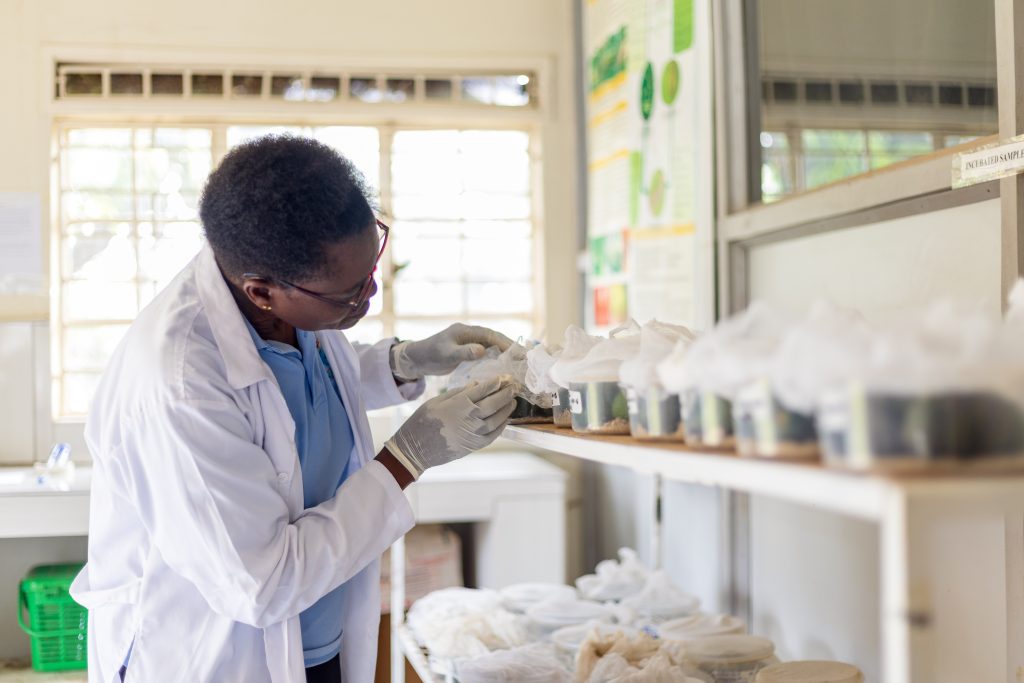
- Laboratory Analysis and Diagnostics: The ability to perform laboratory procedures, including sample collection, preservation, and analysis, to diagnose plant health issues accurately.
Together, these skills provide a structured view of the capabilities needed across a wide range of plant biosecurity roles.
They also illustrate the breadth of capabilities involved in plant biosecurity, from technical identification, diagnostics and surveillance through to communication, collaboration and leadership.
Why this matters for the future of agriculture
The project highlighted that plant biosecurity skills are often underrepresented within formal education programmes and professional development provision, particularly in Africa.
Making relevant skills and learning opportunities easier to identify can help professionals take a more structured approach to their development, while contributing to stronger plant health capacity across the agricultural sector.
The ten validated plant biosecurity skills have been added to CABI’s Skills for Agriculture Framework, alongside relevant online learning opportunities. The Framework brings together agricultural skills, knowledge and behaviours and can help users identify skills relevant to their role, understand progression pathways and find learning resources.
Biosecurity skills on the Skills for Agriculture Framework
Professional development is most effective when you know what skills you need, understand where you stand today, and can easily find learning opportunities to move forward.
Whether you’re preparing for your first plant biosecurity role, developing specialist expertise or moving towards leadership, understanding the capabilities required at each stage can help you make more informed decisions about where to focus your professional development.
The Skills for Agriculture Framework is one resource that can support this journey by helping you explore relevant skills and associated learning opportunities.
Explore the Skills for Agriculture Framework
Ready to plan your next development step?
Explore the Skills for Agriculture Framework, identify the skills most relevant to your career ambitions, and create a professional development pathway that works for you.
Acknowledgement
We appreciate all contributions to the Scoping Study on Plant Biosecurity Training and Skills Development in Africa. Sincere appreciation to the representatives from universities in Burundi, Ethiopia, Kenya, Rwanda, Tanzania, Uganda, Zambia, Zimbabwe, Mozambique, and South Africa who have participated as key informants or provided information and/or participated in the review workshop. We would like to thank the representatives from Murdoch University and Curtin University for their contribution and participation. This project is supported by funding from the Australian Centre for International Agricultural Research (ACIAR).
Share this post


Skills in this blog
Related Stories
 Behaviours
  Extension...
  Youth...
  Crops
Crops  Relationships...
 Feedback