
 6 March, 2026
Meet Farwah Murtaza, a Women Project Coordinator with CABI in Pakistan. Farwah’s work covers sustainable farming, gender equality, and community empowerment. Read on to discover more about Farwah’s work and the skills essential to her job. You can explore these skills further on the Skills for Agriculture website.
Can you walk us through a typical day in your role?
I spend time planning and coordinating field activities, reviewing schedules, aligning with the field team, and preparing for visits to farming communities. Much of my work takes place in the field, where I engage directly with farmers and workers, observe practices, and facilitate discussions around sustainable agriculture, decent work, and inclusion. By the end of the day, I compile field observations, follow up on action points, and coordinate with colleagues to ensure that learnings from the field are reflected in programme planning and implementation.
Skills in action: Planning, Collaboration, Communication, Field Trials
What are the main tasks or responsibilities you handle regularly?
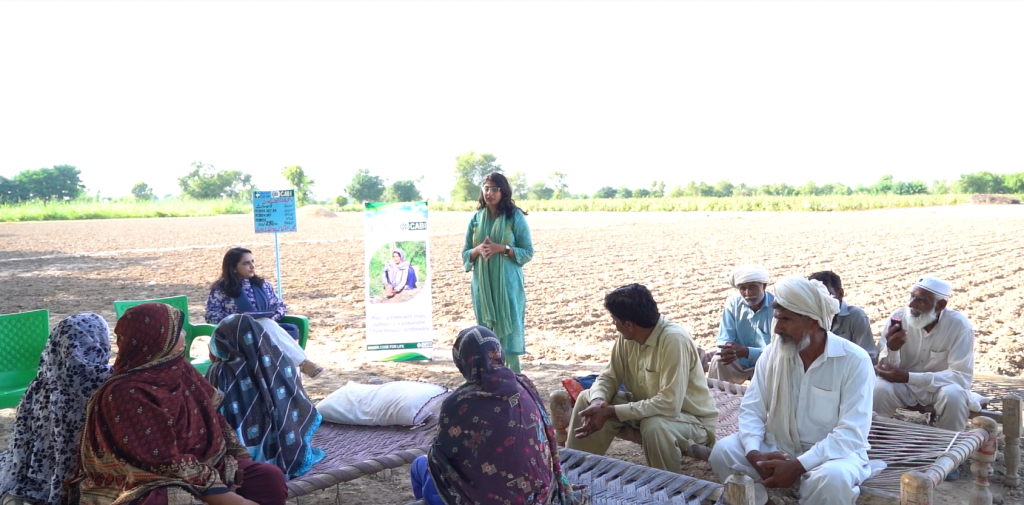
My role involves coordinating field-level activities and facilitating both programme and field teams to ensure smooth implementation. I regularly engage with farmers, workers, and community members, men, women, and youth to understand their challenges and priorities. I support capacity-building and training sessions, monitor field progress, and contribute to documentation and reporting.
A key part of my role is promoting gender equality, ensuring sustainability components, particularly assurance and capacity building, are implemented, coordinated, and reported in an inclusive and effective manner.
Skills in action: Communication, Youth and Gender Inclusion, Field Trials
Which skills do you rely on most to perform your job effectively?
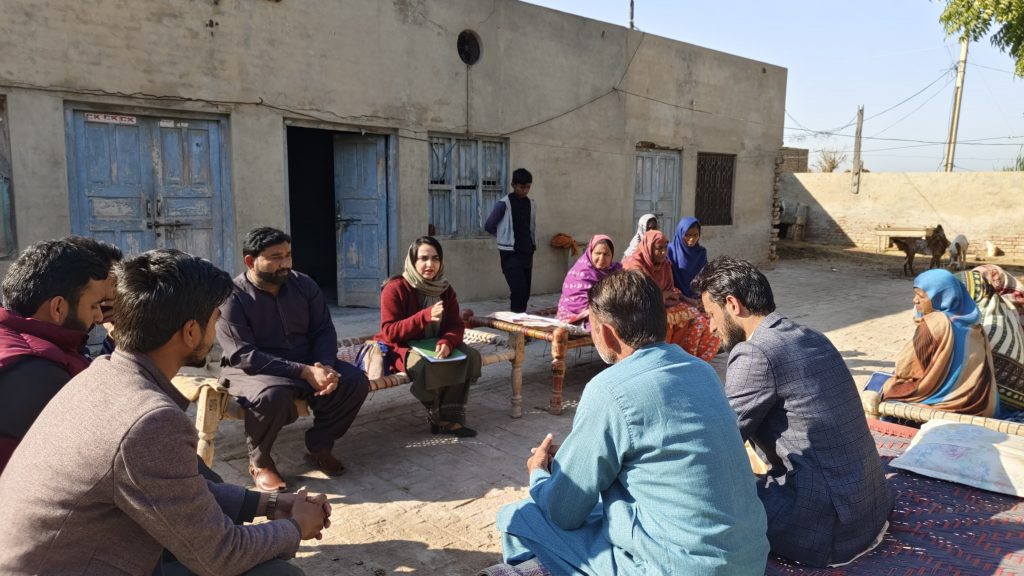
I rely most on strong organisational, communication, and facilitation skills to manage field activities, coordinate with teams, and engage effectively with farming communities. Observation, problem-solving, and adaptability are essential, as field conditions can change quickly.
Skills in action: Planning, Communication, Problem-Solving, Collaboration, Community Mobilisation
Are there any tools, equipment, or technology you use often?
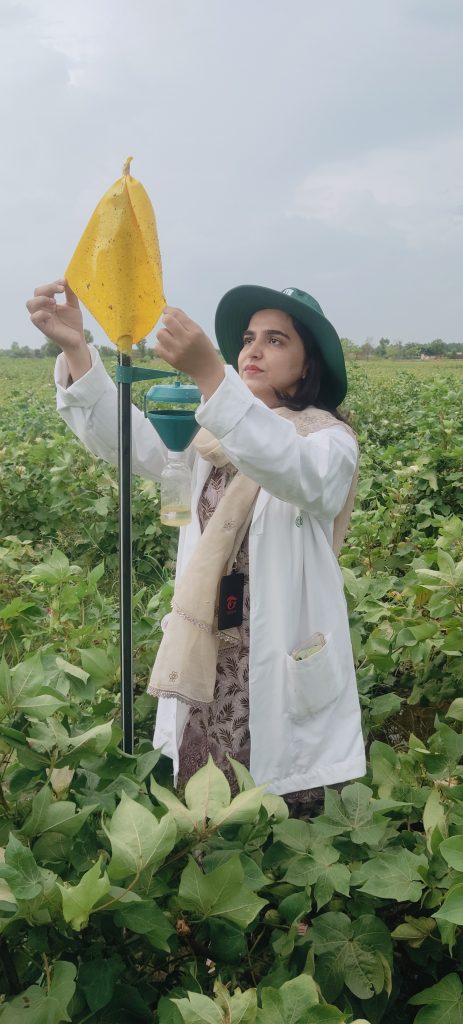
In the field, I use practical tools such as monitoring checklists, training materials, and demonstration aids. Digital tools like mobile phones and data collection applications support documentation, coordination, and reporting. I also work with agricultural tools and techniques, including pest monitoring methods, which support sustainable and responsible farming practices.
Skills in action: Crop Pest and Disease Management
What part of your work do you enjoy the most?
As a woman working in agriculture, direct field engagement is essential to truly understand ground realities and practical implementation.
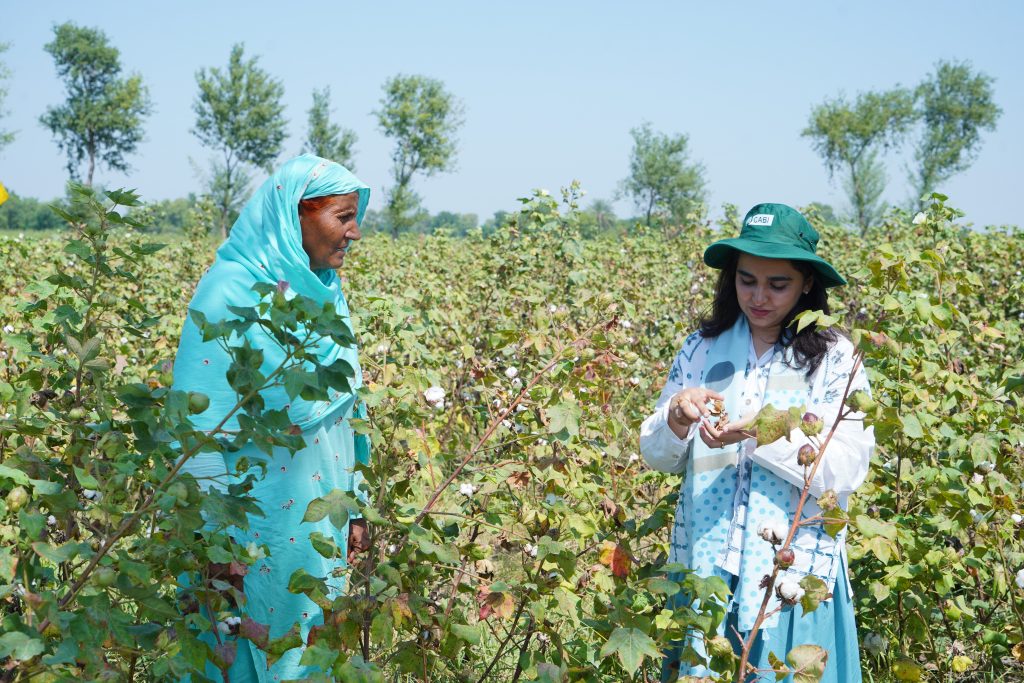
The most rewarding part of my work is engaging directly with communities and seeing positive change at the grassroots level, especially when women are included in decision-making. Whether it is a farmer adopting a new practice, a woman gaining confidence to speak within her community, or a worker sharing how training has improved their understanding of rights and safety, these moments make the work truly meaningful.
Skills in action: Youth and Gender Inclusion
How does your role contribute to the wider agriculture sector?
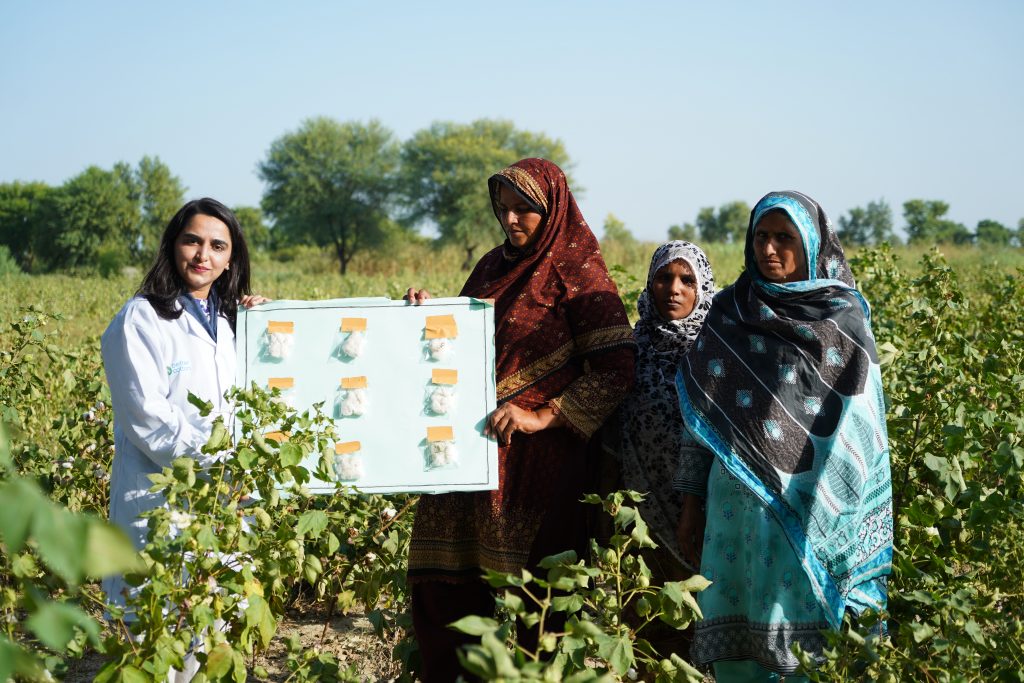
By supporting farmers and workers to improve skills, adopt better practices, and understand their rights, the work helps build more resilient and inclusive agricultural systems. It has been a truly rewarding experience to train and empower women through these initiatives. Through training sessions, I aim to support women in achieving financial independence, improving household well-being, and contributing to broader economic development. A stronger agricultural sector is only possible when women are recognized, valued, and given equal opportunities to participate and lead.
Skills in action: Adult learning and Behaviour Change, Youth and Gender Inclusion
Do you have any tips for people already in the role who want to upskill or expand their skillset?
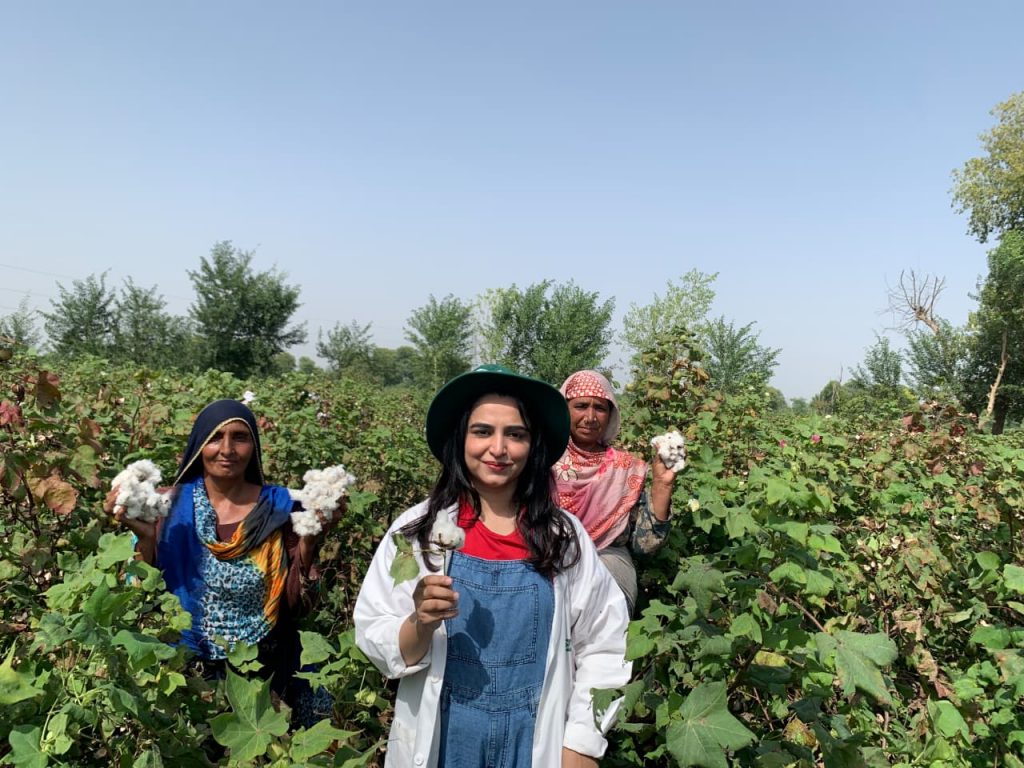
I strongly encourage continuous learning, as both technical and social skills are essential in agriculture. Spending time in the field, listening carefully to communities, and learning directly from their experiences is invaluable. Understanding the real challenges farmers face and supporting the adoption of new practices is only possible when you step into the field alongside them.
Skills in action: Communication
Do you have any memorable moments in your job that you can tell us about?
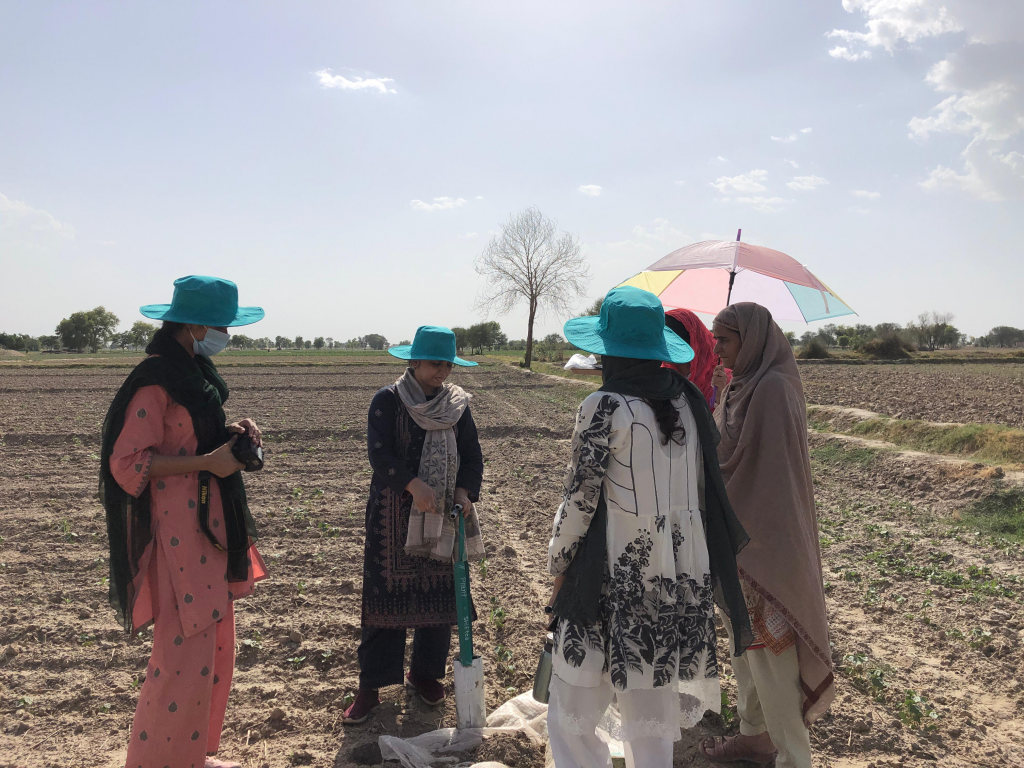
One was seeing two Women Field Trainers who were newly hired and initially very shy about deploying in the field and interacting with communities. Within a month, they purchased their own scooters for field mobility, something quite rare in South Punjab. Today, they confidently support and identify active women farmers who now manage their fields independently.
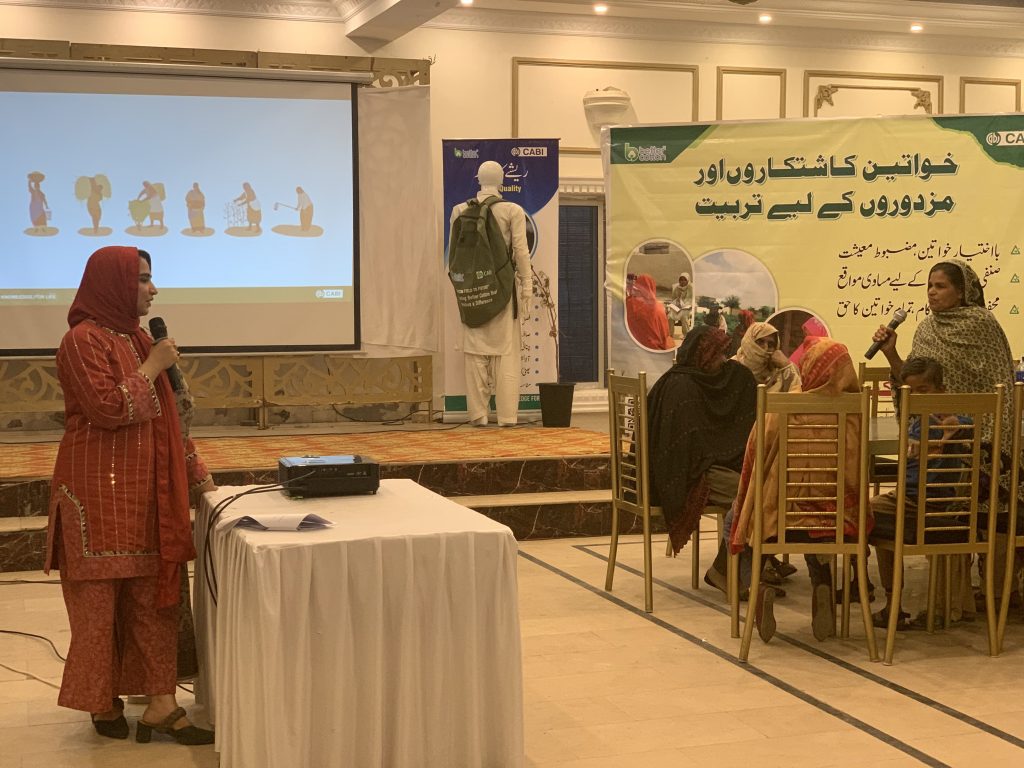
Another memorable moment was interacting with a woman worker who was initially hesitant to speak. During a seminar with both men and women farmers and workers present, she openly shared her experiences with CABI for the first time on stage. Seeing these women grow in confidence and knowing their voices would influence programme decisions was incredibly motivating.
Find out more
Want to develop these skills? Visit the Skills for Agriculture Framework to explore learning pathways and resources for building your capabilities in sustainable and inclusive agriculture.
Share this post


Skills in this blog
Related Stories
 Crops
Crops  Behaviours
  Extension...
  Relationships...
  agriculture...
 Feedback