
 21 April, 2026
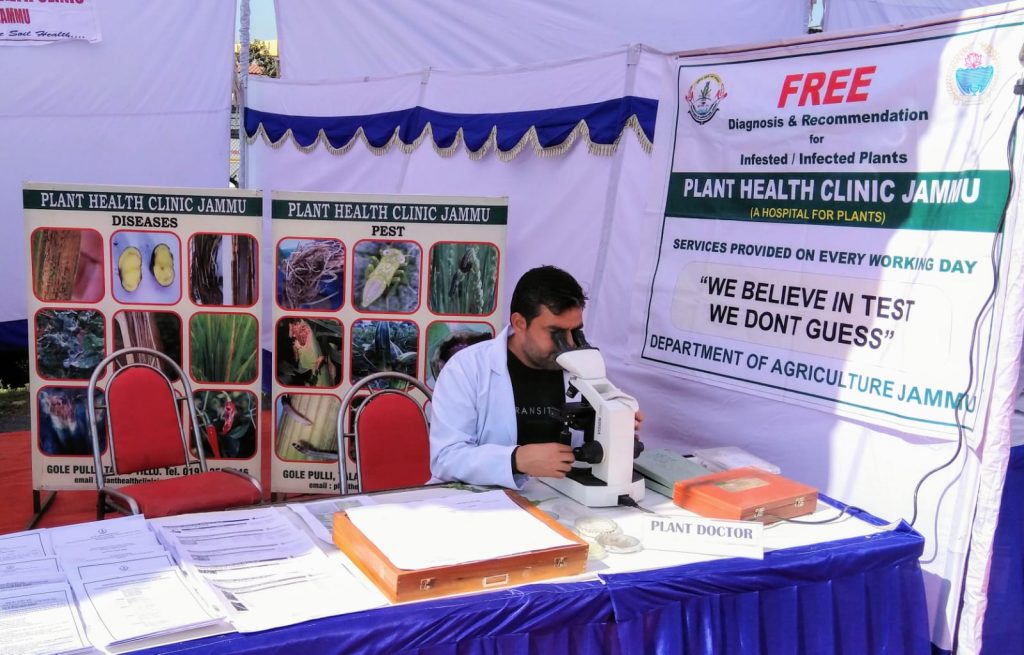
Meet plant health expert and agricultural extension officer Mr. Arun Khajuria, who has spent 30 years transforming rural livelihoods through training and mentorship.
In Jammu, India, Mr. Arun Khajuria supports farming communities and the next generation of agricultural advisors. With a wealth of experience, this plant pathologist-turned-educator, mentor, and entrepreneur has touched the lives of thousands. He’s supported college students discovering agriculture for the first time to smallholder farmers seeking sustainable income streams.
A career built on more than technical knowledge
Starting as an agricultural extension officer in 1996, Mr. Arun Khajuria’s journey tracks the changing nature of agricultural advisory work. Armed with multiple postgraduate qualifications, including agriculture marketing and human resource management, he brings the multi-skilled approach that agriculture demands today. But his most important skills aren’t technical ones; they’re the ability to communicate and listen.
“Communication is the key component for any agriculture extension officer,” he says, particularly when combined with keen observation skills. These interpersonal and communication abilities align closely with the Skills for Agriculture Framework, which identifies effective communication, stakeholder engagement, and training delivery as core competencies for agricultural advisors.
From top-down advice to collaborative problem-solving
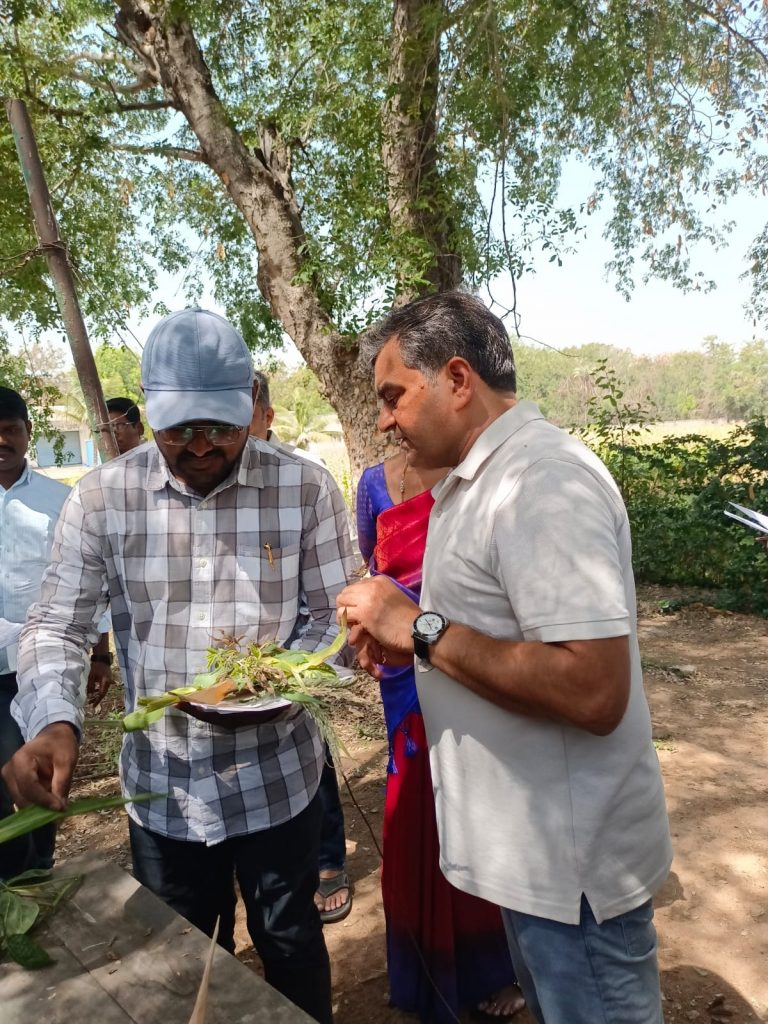
Over five years, Mr. Arun Khajuria has conducted more than 140 workshops for pre-college students, reaching young people before they pursue other sectors. His workshops take students beyond the classroom. When covering topics such as vermicomposting, he takes participants to real-world sites where they experience every role, from labourer to marketer. This hands-on approach helps students gain real experience. At the same time, his focus on agricultural entrepreneurship shows that agriculture is a viable business opportunity.
How extension work has changed
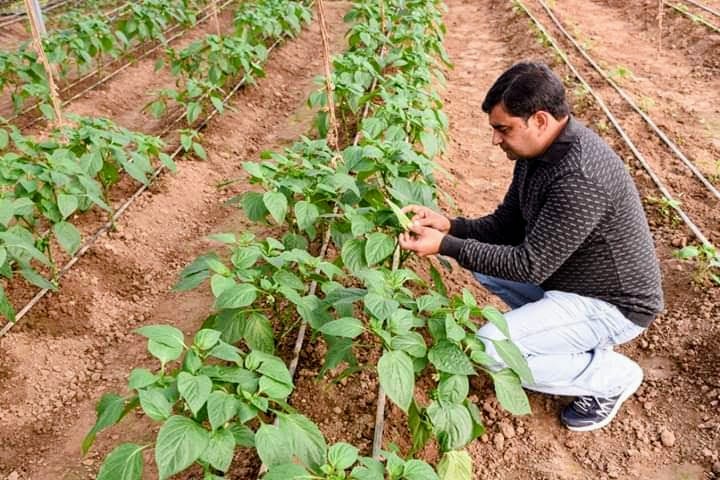
Mr. Arun Khajuria’s career spans a dramatic shift in agricultural extension. In the 1990s, scientists prescribed practices without necessarily considering farmers’ needs, what Mr. Arun Khajuria calls “preaching from lab to land.” The internet changed this dynamic. Farmers became more informed and started asking questions, pushing extension work from a top-down approach to collaborative problem-solving.
Today’s agricultural advisors need wide-ranging knowledge. Mr. Arun Khajuria recalls arriving to help establish an organic farm, only to face questions about property distribution, market linkages, and mutual funds. The ability to combine technical plant health expertise with skills in business planning, value chain analysis, and financial literacy is what modern extension workers need, as outlined in the Skills for Agriculture Framework.
Building sustainable livelihoods
In Jammu, small landholdings often make agriculture unsustainable on its own. Mr. Arun Khajuria’s solution is skill diversification. He helps farmers establish dairy farms (leveraging 40-60% government subsidies), links cow dung to vermicompost production, and connects producers with student-led marketing enterprises. This approach creates multiple income streams while building local capacity.
One former student now charges fees to train other farmers and has become a confident entrepreneur in five years.
Mentoring the next generation
Beyond his local work, Mr. Arun Khajuria mentors four startups across India. Despite vast cultural and linguistic differences, he connects with these young entrepreneurs regularly to discuss ideas.
“Mostly I’m listening to those young fellows,” he explains. “Being an elder, my duty is just to segregate a few ideas from a bunch of ideas that are beneficial to that person.” This listening-first approach aligns with the Skills for Agriculture Framework’s description of effective coaching and mentoring, prioritizing understanding over direction.
The role of technology
While embracing digital tools, from AI applications to remote sensing technology, Mr. Arun Khajuria’s philosophy is clear: technology should support, not replace, agricultural expertise. In field settings, he encourages students to find their own answers, developing problem-solving abilities and independent thinking.
His own continuous learning is evident. Recently asked to deliver a session on artificial intelligence and machine learning, he enrolled in an online diploma. “I’m 51 now, and I’m still learning.”
Advice for aspiring agricultural advisors
Mr. Arun Khajuria’s guidance for newcomers is straightforward:
- Be committed. Don’t enter the field just for subsidies or short-term profits.
- Become an excellent listener. Understanding farmers’ needs matters more than knowing all the answers.
- Never stop learning. Read research papers, take courses, and stay open to ideas from every field.
- Be observant. Notice what happens around you. You never know which idea will prove useful.
What agricultural extension work looks like today
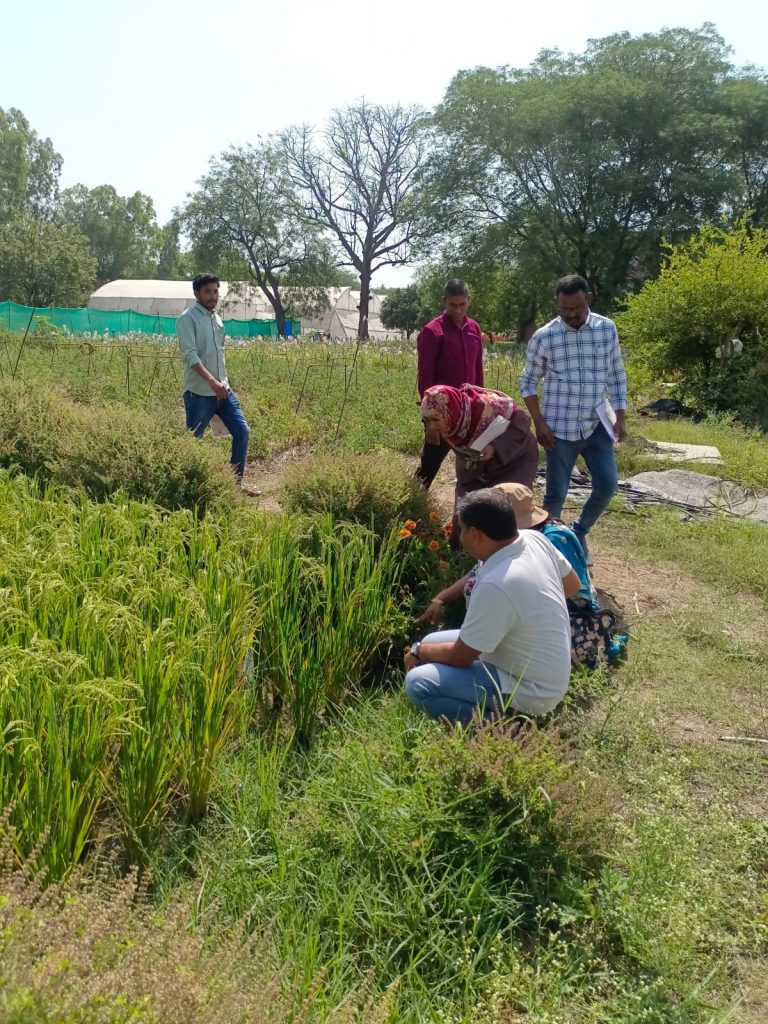
Mr. Arun Khajuria’s journey shows how the role of agricultural extension officer now calls for diverse skills that span many of the competencies outlined in the Skills for Agriculture Framework. For those wanting to start or advance a career as an agricultural extension officer, his experience is instructive: combine technical knowledge with listening skills, embrace continuous learning, and remember that supporting farmers means understanding more than just their crops.
Want to know more about building skills in agricultural advisory work? Explore CABI Academy’s courses or find out how PlantwisePlus is strengthening plant health systems across South Asia.
Share this post


Skills in this blog
Related Stories
 Behaviours
  Extension...
  agriculture...
  Crops
Crops  Relationships...
 Feedback