
 22 September, 2026
Correct identification of crop pests or diseases is an important first step in deciding how to manage them. Spotting a problem early can help farmers take timely and appropriate action, reduce crop losses, and avoid spending money on unnecessary or inefficient treatments.
But crop pest and disease identification is not always straightforward. Farmers and agricultural professionals may encounter unfamiliar pest or disease symptoms that look similar to one another, or an invasive species that has recently arrived in an area.
Knowing how to recognize plant health problems and when further expertise is needed can contribute to better pest management decisions.
Why accurate and early identification matters
The emergence of a new or unfamiliar pest can make identification particularly challenging. Farmers may not know what to look for or how best to respond.
The invasive apple snail in Kenya has reduced rice yields by around 14% and net rice income by around 60%. By 2022, it had infested 80% of the Mwea irrigation scheme, which produces around 70% of Kenya’s rice.
When invasive black thrips began affecting chilli crops in South India, farmers were similarly dealing with an unfamiliar pest and some initially used combinations of unsuitable insecticides. Through plant clinics, farmers were able to access diagnosis and advice on alternative management approaches.
Incorrect identification can also lead to significant management challenges. A beneficial predator or parasitoid might be mistaken for a harmful insect and killed with insecticide. For example, a predatory ladybird larva, lacewing larva or hoverfly larva could be incorrectly identified as a crop pest and treated with insecticide. Or symptoms caused by disease could be confused with a nutrient deficiency or other plant health problem. This can lead farmers to spend time and money on management approaches that do not address the actual cause.
This can include ineffective or unnecessary pesticide applications, which increase costs and may create additional risks to human health and the environment. Accurate and timely diagnosis can help farmers and their advisors choose more appropriate and effective management options.
Who needs crop pest and disease identification skills
The Skills for Agriculture framework sets out seven skill levels for crop pest and disease identification. These range from observing and reporting basic pest or disease symptoms during supervised fieldwork to leading national or regional strategies for pest identification.
At the earlier levels, skills include recognizing and reporting basic symptoms and using visual aids or checklists. As skills develop, this progresses to assisting with identification, matching symptoms to guides or databases and eventually independently identifying common pests and diseases using established protocols.
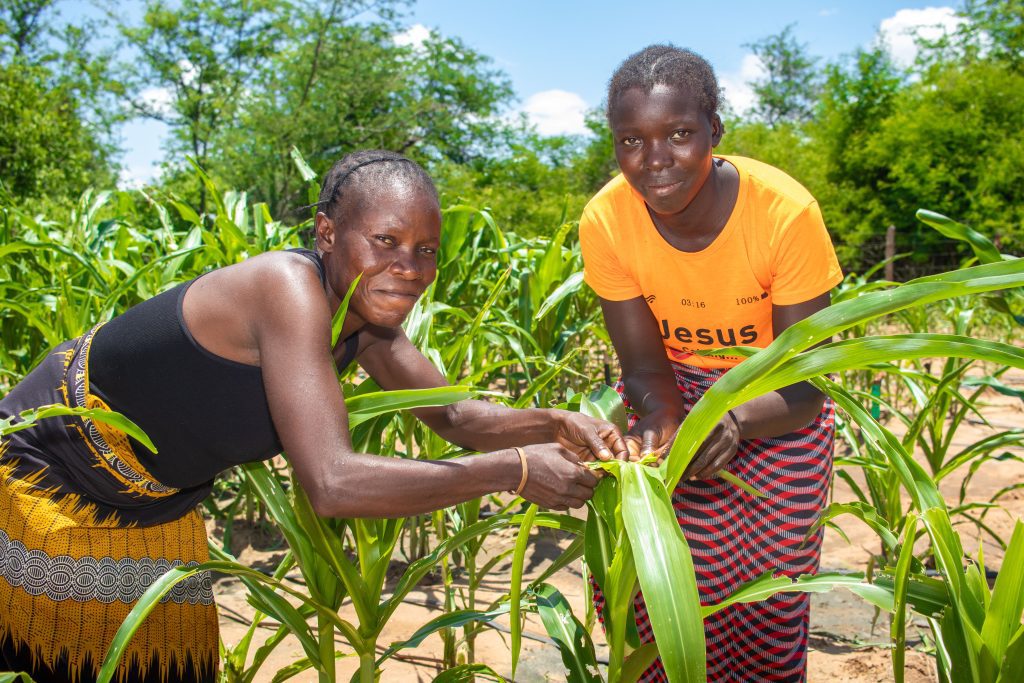
These skills are particularly valuable for farmers because they are often among the first people to notice a new crop problem. In Ghana, for example, PlantwisePlus has worked with farmers and farm laborers to identify unusual symptoms and report potential pest threats as part of efforts to strengthen pest preparedness.
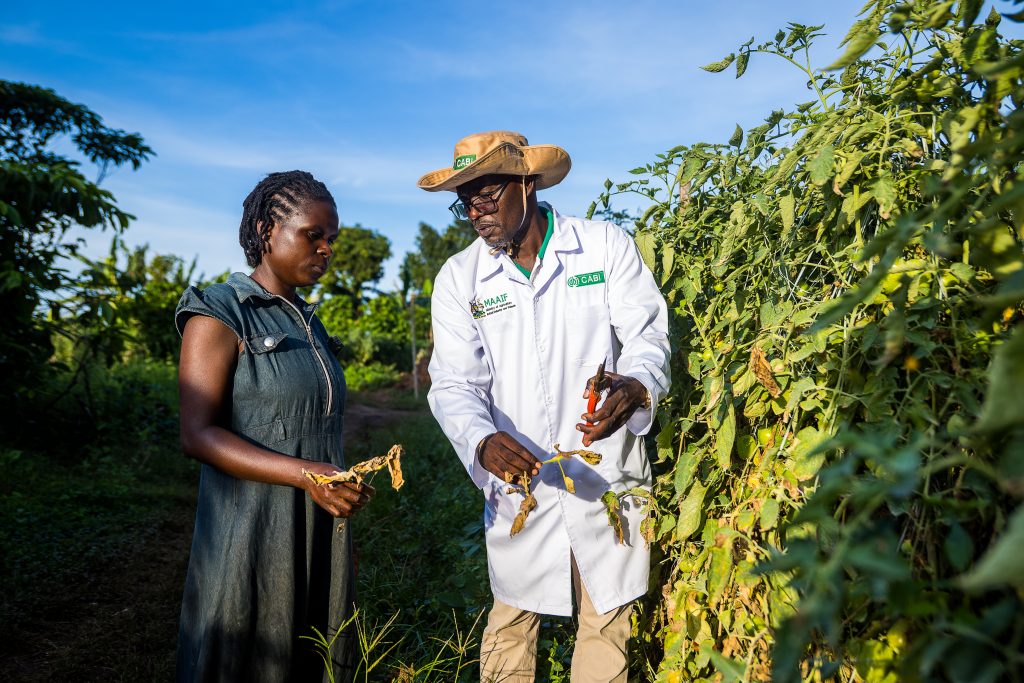
Extension workers, including plant doctors, need more advanced diagnostic skills. Farmers bring affected plant samples to plant clinics, where trained plant doctors examine symptoms, diagnose problems, and provide management advice.
At higher skill levels, professionals may train others in identification procedures, lead pest surveys, validate difficult identifications, or advise on complex symptoms and emerging pests. At the most advanced level, this can extend to developing national identification resources and helping shape national or regional pest-identification strategies.
Why pest and disease identification is a valuable professional skill
The ability to identify pests and diseases is relevant to a wide range of agricultural careers, including extension, agronomy, crop protection, research, and agricultural advisory services.
It can also be valuable for agro-input dealers. Smallholder farmers often turn to agro-input shops for pest management advice, making accurate diagnosis important when recommending crop protection products or other management options.
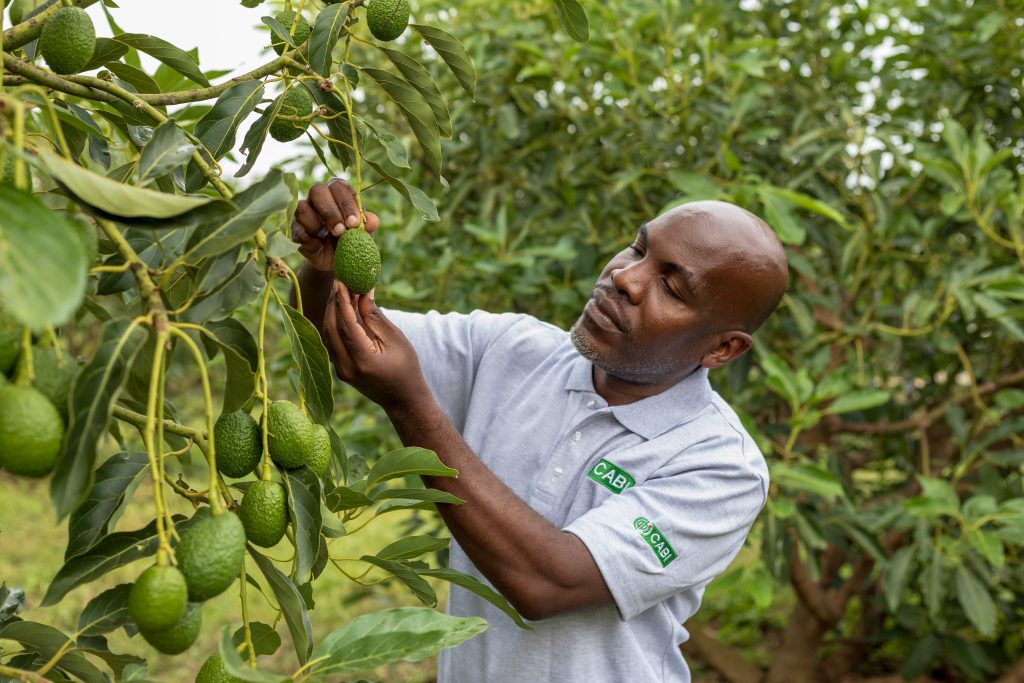
In Uganda agro-input dealer Robben Pelendu, developed his diagnostic skills as part of broader CABI training covering pest and disease diagnosis, bioprotection options and safe pesticide use. Since completing the training, he has become better at diagnosing farmers’ plant health problems before recommending solutions/products. His customer base has grown, and he now also trains farmers in good agronomic practices.
Robben’s experience demonstrates how diagnostic skills can form part of a wider set of competencies that agricultural advisers and agro-input dealers use to provide better-informed plant health advice.
How to develop crop pest and disease identification skills
Developing strong identification skills requires both knowledge and practical experience.
Field observation can help learners become familiar with the common pests, diseases, and associated symptoms affecting particular crops. This is particularly valuable for developing knowledge of locally important plant health problems.
Working alongside experienced agronomists, extension workers or plant health specialists can also help learners understand how professionals approach diagnosis, including what questions to ask, which symptoms to look for and when additional expertise is required.
Online courses are a flexible way for learners to gain crop pest and disease identification skills. CABI’s Pest and Disease Identification skill page is perfect for those wanting a comprehensive programme. The skill covers crop pest diagnosis fundamentals, pest and disease management, plant pathology, and more.
Combining structured learning with practical experience can help people working across agriculture develop the skills to recognize plant health problems, make informed decisions and know when specialist advice is needed.
Share this post


Skills in this blog
Related Stories
 Crops
Crops  Extension...
  Training
  Behaviours
  Relationships...
 Feedback