
 22 June, 2026
Agriculture is changing rapidly. Climate change, emerging pests and diseases, new technologies, and evolving market demands are transforming how food is produced worldwide. To succeed in this environment, agricultural professionals need to continually develop their agricultural skills.
Online learning has made professional development more accessible than ever. Whether you are a farmer, extension worker, agro-input dealer, student, or agribusiness professional, online courses can help you build practical skills that improve productivity and support sustainable agriculture.
The Skills for Agriculture Framework (SfA), developed by CABI, helps identify the skills needed across agricultural roles and provides a pathway for career development. The framework can also help you identify skills gaps and choose relevant training opportunities.
In this article, we explore five essential agricultural skills and how they connect to the Skills for Agriculture Framework. We also highlight relevant online courses that can help you develop these skills in practice.
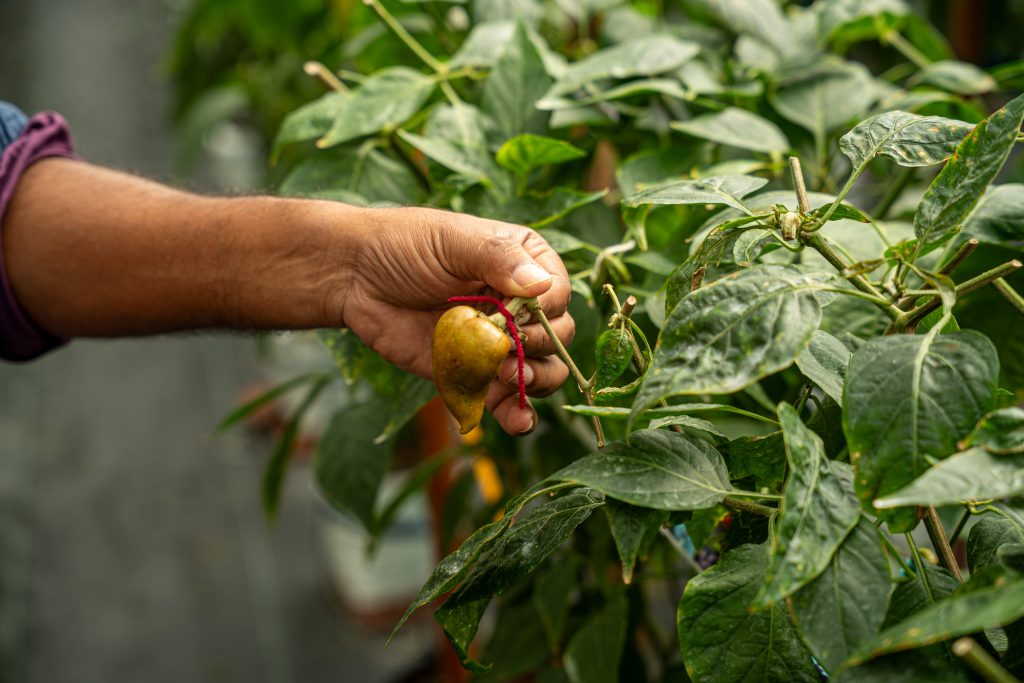
1. Crop pest diagnosis and management
Crop pests and diseases destroy up to 40% of global crop production each year. Being able to identify problems quickly and recommend effective solutions is one of the most valuable agricultural skills.
Related skills in the Skills for Agriculture Framework:
Online training in crop pest diagnosis helps learners recognise symptoms, understand pest life cycles, and recommend sustainable management strategies.
For example, crop pathologist Mercy Onyongo from Kenya strengthened her diagnostic skills through CABI Academy training. By improving her ability to identify plant health problems in the field, she was able to provide farmers with faster and more accurate advice.
Recommended courses from CABI Academy:
2. Bioprotection and sustainable pest management
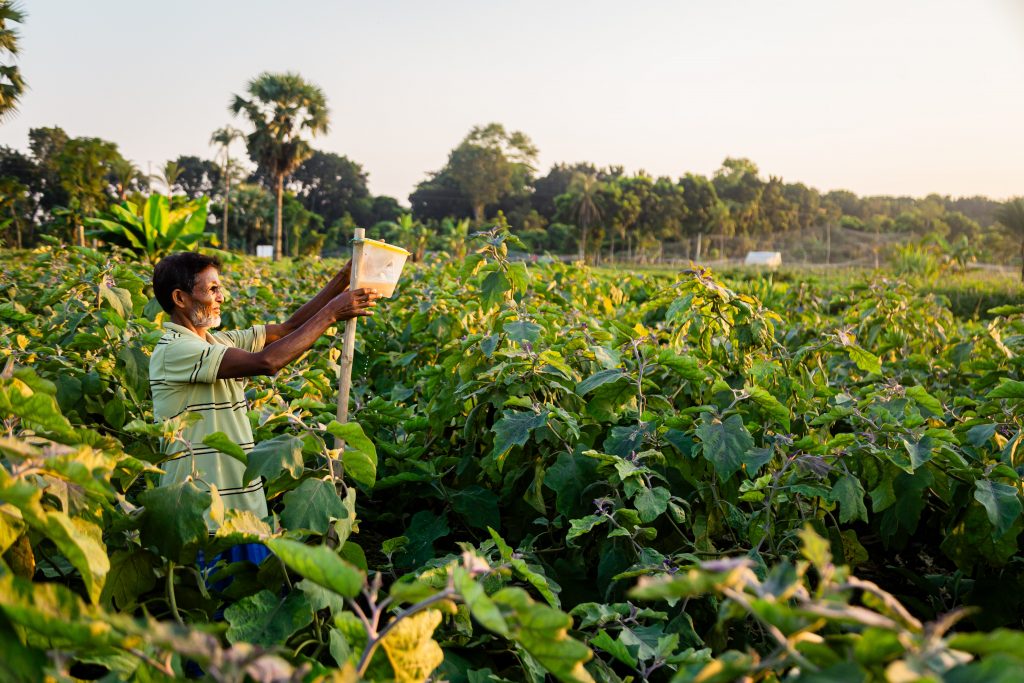
As concerns grow about pesticide risks, farmers are increasingly looking for safer and more sustainable solutions. Understanding bioprotection products and lower-risk pest management approaches is becoming an essential agricultural skill.
Related skills in the Skills for Agriculture Framework:
Learning about bioprotection helps agricultural professionals understand biological control agents and how they fit within an Integrated Pest Management strategy.
In Uganda, agro-dealer Anthony Ssenyonga used training on bioprotection products to expand his business while helping farmers adopt safer pest management practices. His knowledge enabled him to build trust with customers and promote more sustainable farming methods.
Recommended courses from CABI Academy:
3. Gender-inclusive extension services
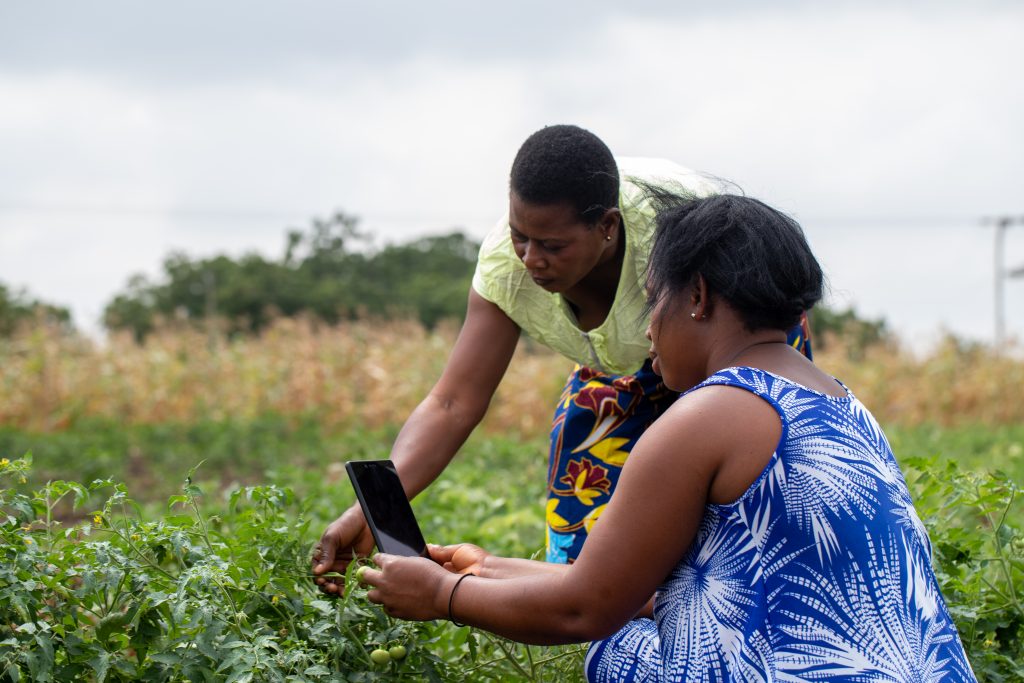
Agricultural advice is most effective when it reaches all farmers. However, women often face barriers to accessing extension services, training, and information.
Related skills in the Skills for Agriculture Framework:
- Farmer needs assessment
Developing gender-inclusive extension skills helps advisors understand different farmer needs and adapt their communication methods accordingly.
Activities supported through PlantwisePlus have highlighted the importance of gender-inclusive extension skills. In Ghana, PlantwisePlus worked with national partners to develop a Gender Handbook for extension agents, helping advisors better identify and support women farmers, adapt communication approaches, and improve access to agricultural information and services. These skills help create more effective and equitable advisory services for entire farming communities.
Recommended courses from CABI Academy:
4. Digital agriculture and decision-support tools
Technology is transforming agriculture. Mobile applications, digital advisory platforms, and decision-support tools allow agricultural professionals to deliver faster and more accurate advice.
Related skills in the Skills for Agriculture Framework:
- Mobile application navigation
- Digital advisory service delivery
Building digital agriculture skills enables professionals to collect and analyse data, diagnose crop problems, and communicate with farmers more efficiently. They can also support agribusiness development.
For example, PlantwisePlus’s Crop Sprayer app is helping young spray service providers in Kenya improve the accuracy of pesticide applications and build more sustainable businesses. By learning to use digital decision-support tools, users can calculate precise pesticide dosages, reduce waste, improve safety, and provide better services to farmers. These digital skills help agricultural professionals make informed decisions while supporting more sustainable crop production.
Recommended training materials from CABI Academy:
5. Climate-smart agriculture
Climate change is creating new challenges for farmers worldwide. Drought, changing rainfall patterns, soil degradation, and emerging pests all require new approaches to farming.
Related skills in the Skills for Agriculture Framework:
- Adaptation strategy development
- Resilient farming systems
- Weather information interpretation
- Conservation agriculture practices
Climate-smart agriculture training helps professionals assess climate risks and support farmers in building resilience.
For example, as climate change threatens bean production across East Africa, farmers are adopting climate-smart practices to protect yields and livelihoods. Supported by research and advisory services, farmers are learning how to select more resilient crop varieties, improve soil health, manage water resources more effectively, and respond to changing growing conditions. These climate-smart agriculture skills help farmers adapt to environmental challenges while maintaining productivity and strengthening food security for their communities.
How to build agricultural skills online
Online learning allows professionals to study at their own pace while gaining practical knowledge that can be applied immediately. The Skills for Agriculture Framework provides a useful starting point for identifying the skills needed for your current role or future career ambitions.
Once you have identified priority skills, you can access online training through CABI Academy and other online learning providers. Courses cover topics such as crop pest diagnosis, integrated pest management, gender-inclusive advisory services, and sustainable agriculture.
Together, the Skills for Agriculture Framework and CABI Academy provide a structured pathway for professional development, helping learners understand which skills they need and how to build them.
Start building your agricultural skills today
Explore the Skills for Agriculture Framework to identify your skills gaps and discover the competencies needed for agricultural careers. Then build those skills through practical online learning with CABI Academy.
FAQs
Developing agricultural skills is an ongoing process. The answers below address some common questions about agricultural skills, training, and career development.
What are agricultural skills?
Agricultural skills are the technical, business, and communication competencies needed to work effectively in agriculture. Examples include pest diagnosis, climate-smart farming, digital agriculture, and advisory services.
What is the Skills for Agriculture Framework?
The Skills for Agriculture Framework is a competency framework developed by CABI that defines the skills required across agricultural roles. It helps organisations and individuals identify skills gaps and plan professional development.
Where can I learn agricultural skills online?
Many agricultural skills can be learned through online training programmes. CABI Academy offers courses covering crop health, integrated pest management, sustainable agriculture, and advisory services that align with the Skills for Agriculture Framework.
Share this post


Skills in this blog
Related Stories
 Behaviours
  Extension...
  agriculture...
  Relationships...
 Feedback