
 21 January, 2026
Choosing the right agricultural courses can transform your agricultural career. But with thousands of online courses available, how do you choose ones that deliver results?
When Florence Malemba, a plant doctor from Kenya, wanted to brush up on her crop pest diagnosis skills, she headed to CABI Academy. With more than 10 years’ experience, Florence knows the importance of accurate information and advice. “The courses are very practical, and I have gained a lot of knowledge about pests and diseases. I want to keep improving, and the learning modules on the academy offer me that luxury.” Florence is now a valued advisor in her community and is reaching even more people through her video channel. Her story shows what the right agricultural training can do.
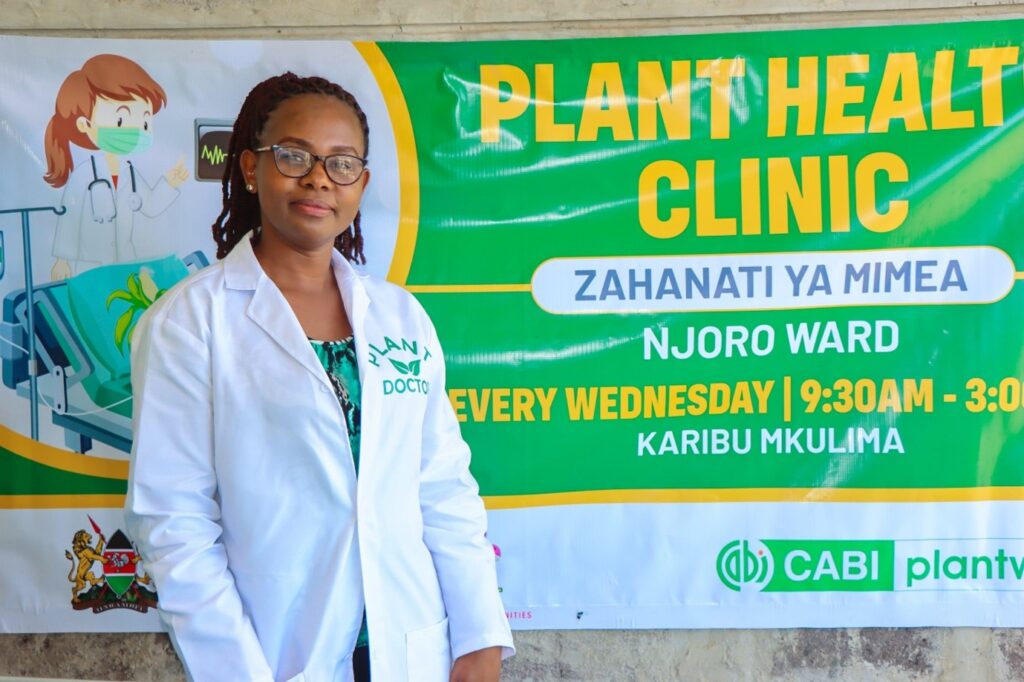
Whether you’re a farmer looking to strengthen your plant health skills, an aspiring agripreneur wanting to improve your business skills, or an agricultural professional seeking to brush up on your crop pest and disease knowledge, selecting courses that match your goals and fill your specific skill gaps is essential. With thousands of online agricultural courses available, identifying trustworthy, science-based programs that match your needs can be challenging.
This guide helps you get to grips with the world of online agricultural education, so you can make informed decisions when choosing courses to fill skill gaps and advance your career.
1. Assess your current skills and identify gaps
Before enrolling in any agricultural course, take time to understand the agricultural skills you currently have and the gaps you want to fill. Conduct a self-assessment of your existing knowledge and capabilities in areas like crop production, livestock management, farm business planning, or sustainable farming practices.
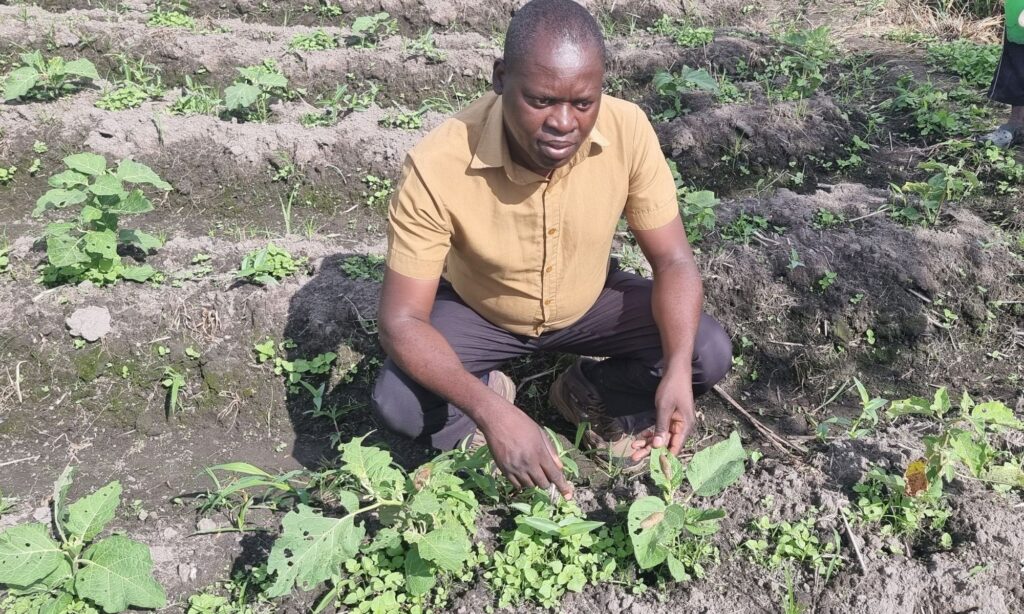
Consider the challenges you face in your daily work. Identifying these gaps will help you choose courses that address your specific needs. Take Ignitious Chilembo, a Zambian researcher specialising in pest management. He became aware of the growing importance of responsible pest management. Chilembo enrolled in the CABI Academy Reducing Pesticide Risk course. It not only provided a refresher on pesticide safety but also covered the economics of pesticide use, helping him refine the advice he gives to farmers.
The Skills for Agriculture Framework offers a structured approach to evaluating your competencies and matching them with appropriate agricultural courses. This targeted approach ensures you invest your time and resources in education that will make a noticeable difference in your work.
2. Look for science-based, credible course providers
There are lots of online learning platforms available, so it’s important to know how to tell the difference between courses backed by solid research and those that could potentially harm your crops, livestock, or business.
Seek out courses developed by recognized agricultural research institutions, universities, organizations, or established industry experts. Look for programs that cite scientific studies, provide evidence-based recommendations, and are regularly updated to reflect current best practices.
Organizations like CABI, through CABI Academy, offer rigorously developed courses grounded in decades of agricultural research. CABI’s PlantwisePlus programme has reached over 52 million smallholder farmers across 27 countries since 2021, with plant clinic users adopting recommendations in 90% of cases and increasing income by 32% on average. Check course descriptions for information about curriculum development processes and whether the content has been peer-reviewed or endorsed by reputable agricultural bodies.
3. Choose courses that match your career goals
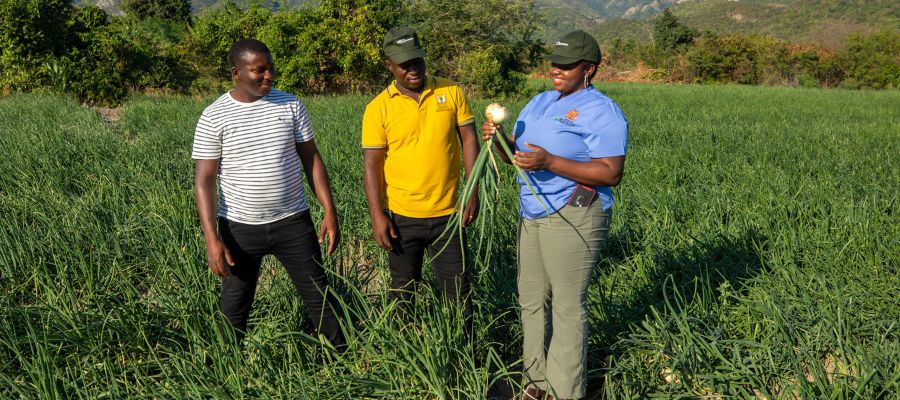
Agricultural courses span a vast range of topics and specializations. Aligning your learning with your career objectives will maximize the return on your educational investment.
Agriculture production courses
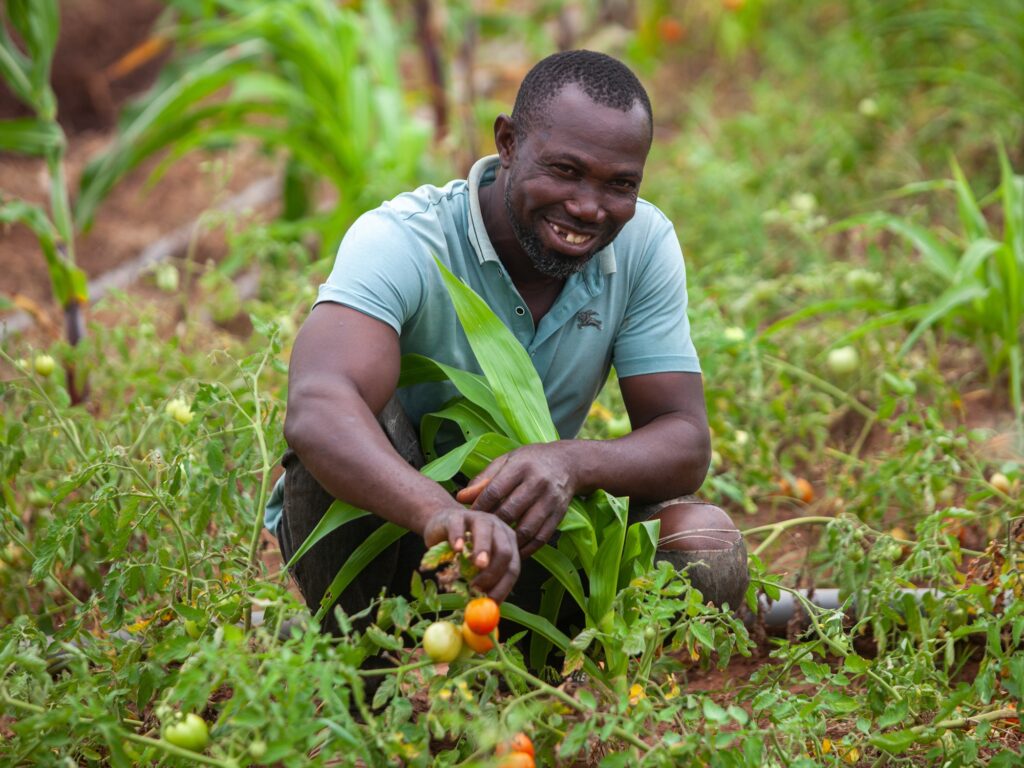
If you want to improve your technical farming skills, agriculture production courses focus on practical aspects like crop cultivation techniques, soil health management, integrated pest management, livestock husbandry, post-harvest handling, and farm machinery operation. These courses are ideal for farmers seeking to increase productivity, reduce losses, or diversify their production systems.
Business and entrepreneurship management courses
For those looking to start or expand an agribusiness, business and entrepreneurship management courses provide essential skills in financial management, marketing, supply chain development, customer service, and information technology. These courses provide skills that can turn an agribusiness into a profitable enterprise and are particularly valuable for anyone developing value-added products or agricultural services.
Agricultural extension courses
If, like Florence Malemba, you work in advisory services or your job involves sharing knowledge with farming communities, agricultural extension courses teach effective communication methods, adult learning principles, participatory approaches, and how to facilitate farmer learning groups. Extension professionals bridge the gap between research and practice, making these skills important for agricultural extension agents and agro-input dealers.
Climate-smart agriculture courses
Climate change is increasingly affecting farming communities. Climate-smart agriculture courses teach strategies for adaptation and mitigation. These programs cover drought-resistant crops, water conservation techniques, climate forecasting for farmers, and building resilient agricultural systems. Such courses are essential for anyone farming in climate-vulnerable regions or working on sustainability initiatives.
Plant health, soil, and pest management courses
Healthy crops start with healthy soil and effective pest management. Plant health, soil, and pest management courses provide in-depth knowledge on soil fertility and conservation, plant disease identification and control, integrated pest management strategies, beneficial insects and biological control, and safe pesticide use. These technical courses are crucial for farmers facing crop health challenges, agricultural advisors supporting farmers with diagnostics, and anyone seeking to reduce chemical inputs while maintaining productivity.
For example, in Kenya, farmers managing papaya mealybug through biocontrol methods achieved up to 76% pest mortality, a 20% increase in income, and a 118% increase in profits, all without chemical pesticides. CABI Academy’s Introduction to Bioprotection Products course covers what these products are and how they work in the field. It draws on CABI’s extensive experience in developing scientifically sound biological control solutions to control crop pests and diseases.
Gender and Youth in Agriculture Courses
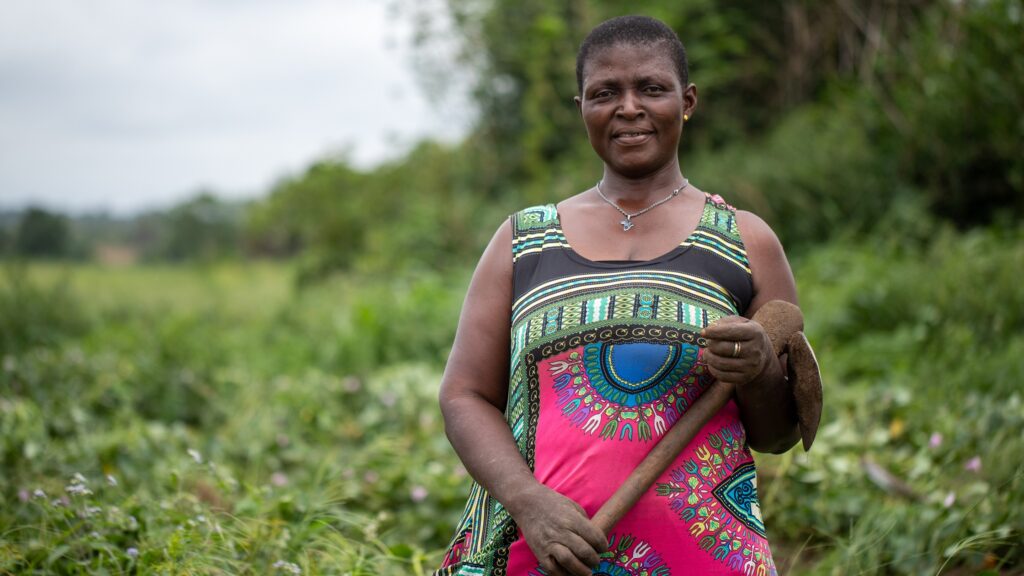
Gender and youth in agriculture courses address the challenges and opportunities facing women and young people in farming. These courses cover topics like women’s access to land and resources, youth entrepreneurship in agriculture, gender-responsive extension approaches, overcoming barriers to participation, and creating inclusive agricultural value chains. These courses are valuable for development practitioners, policymakers, agricultural educators, and young farmers or women seeking to overcome systemic barriers and build successful agricultural careers.
4. Consider format, duration, and accessibility
Practical considerations matter when selecting agricultural courses. Evaluate whether the format suits your circumstances and learning style.
Online courses offer flexibility for professionals who can’t attend in-person training. Research platforms offer self-paced learning or flexible scheduling. However, some courses require streaming video, so consider your internet access and data costs.
Another consideration is the time commitment required. Some certificate programs demand months of study, while short courses often cover valuable topics in just a few hours. Choose durations that fit your schedule.
5. Check for practical application and certification
While theory provides essential foundations, you may want agricultural courses that translate knowledge into practical skills you can apply immediately in the field.
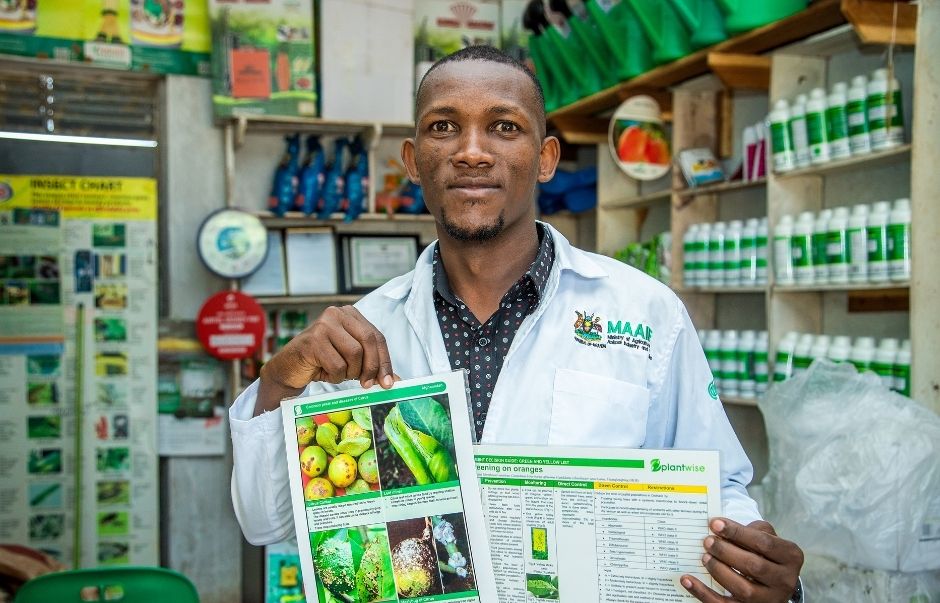
If so, look for courses that include real-life case studies, hands-on exercises or simulations, and opportunities to interact with instructors or fellow learners. The best agricultural courses balance foundational knowledge with actionable techniques you can test on your farm or in your work.
6. Start with your most critical need
If you’ve identified multiple skill gaps, then you might be tempted to enrol in numerous courses simultaneously. However, this approach often leads to incomplete learning and minimal practical application.
Instead, prioritize the skill that will have the greatest immediate impact on your work or career progression. Complete that course thoroughly, and, if relevant, implement what you’ve learned before starting your next course. This focused approach can help build competence systematically and allows you to see your progress.
Take the next step in your agricultural career
Choosing the right agricultural courses is a strategic decision that can significantly enhance your productivity, income, and career prospects in agriculture. By assessing your skills, selecting credible learning platforms, and aligning courses with your specific goals, you’ll find agricultural courses that support your career progression.
The Skills for Agriculture Framework simplifies this process by helping you identify your skill gaps and connecting you with trustworthy courses matched to your needs. Whether you’re interested in agricultural extension, production techniques, business management, or climate-smart practices, you’ll find curated learning opportunities designed for farmers and agricultural professionals.
Ready to advance your agricultural career? Find courses matched to your skills and goals on Skills for Agriculture and start building the expertise you need to succeed in modern agriculture.
Share this post


Skills in this blog
Related Stories
 Crops
Crops  Behaviours
  Extension...
  Training
  Relationships...
 Feedback